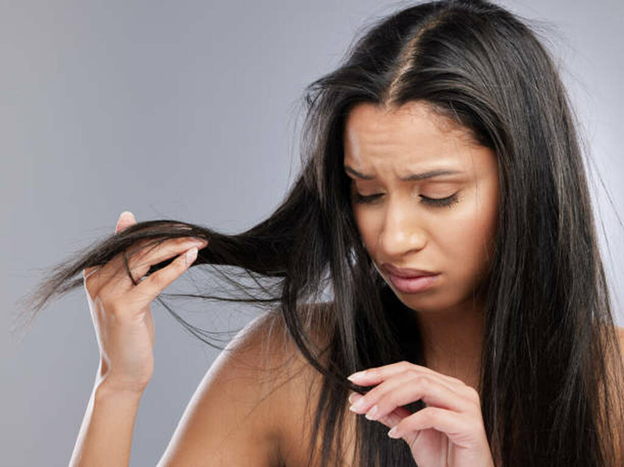
Relaxer setbacks can feel discouraging—especially when you love a smooth, straight finish but your textured mane is suddenly snapping, thinning, or refusing to “act right.” The good news: you can absolutely rebuild strength and encourage healthier growth without jumping straight to the big chop. The key is to treat this like a recovery season: reduce daily stress on the tresses, restore moisture/protein balance, support the scalp, and choose low-manipulation styling that keeps your look polished while your real hair rests.
Relaxed Hair Extensions: A Growth-First Reset After Chemical Breakage
If you have textured hair, relaxer damage often shows up as weakened strands that break faster than they can grow—especially around the crown, nape, and ends. During recovery, the goal is not “perfect hair days.” It’s consistent, gentle care that protects fragile areas while you rebuild. For some people, leaning on low-manipulation styling (instead of constant brushing, flat-ironing, or tight ponytails) makes a noticeable difference, and options like Relaxed Straight Hair Extensions can help you keep a sleek look while giving your natural tresses more breathing room.
So, what helps hair grow after chemical breakage? Two things working together: (1) lowering breakage and (2) keeping the scalp comfortable and cared for. Growth happens at the scalp, but length retention happens at the ends. If your ends are splitting or snapping, your hair may be growing—yet you won’t see it.


Try this “reset” foundation for 4–8 weeks:
- Wash day weekly or every 7–10 days with a gentle cleanser (focus on scalp, not rough scrubbing).
- Deep condition every wash to improve softness and manageability.
- Detangle only when damp and conditioned, using fingers first, then a wide-tooth comb.
- Trim only what’s necessary (dusting can help stop splits from traveling upward).
How long does it take to recover from relaxer damage? It depends on how severe the damage is and whether the follicle/scalp was affected. Mild-to-moderate breakage can improve in 6–12 weeks with consistent gentle care. If you experienced chemical burns, scabbing, or patchy thinning, recovery may take several months—and it’s smart to get medical guidance early (more on that below).
See also: How Do Smartwatches Support Healthy Screen Habits?
Relaxed Lace Front Wig: Low-Manipulation Styling That Protects the Hairline
One of the fastest ways to lose progress is daily heat, daily combing, and tension around the edges. If your hairline is tender, thinning, or breaking, your styling strategy should be “pretty and protective.” That means fewer hot tools, less friction, and less pulling—especially on days when your strands feel dry or stiff.
A simple rule: your style should reduce handling, not require more of it. That’s why many people rotate low-stress options during recovery, including satin-lined headwear, loose buns with minimal tension, or a well-installed unit that doesn’t punish the edges. If you want straight style convenience while letting your mane rest, a Relaxed Straight Lace Front Wig can be a low-manipulation choice—provided it’s applied gently, not glued aggressively over fragile skin, and removed/cleaned properly.
Protective habits that keep your growth plan on track:
- Use a satin scarf or bonnet nightly (friction is a silent breakage trigger).
- Avoid tight ponytails and slick styles during recovery—edges need rest, not tension.
- Limit flat-ironing (save heat for special occasions and use a protectant).
- Choose “set it and forget it” styles that last several days without daily combing.
- Keep track of your scalp: itching, burning, or flakes can signal irritation that deserves attention.
If your scalp feels inflamed, focus on calming it first. Growth routines work best when the scalp barrier is healthy and comfortable.
Protein vs. Moisture: Do You Need Protein Treatments After Relaxing?
This is one of the most searched questions for a reason: too little protein leaves relaxed hair mushy and weak; too much protein can make it stiff and snappy. The sweet spot is balance.
So, do you need protein treatments after relaxing? Many people benefit from light-to-moderate protein support, especially if the hair feels overly soft when wet, stretches a lot, or breaks easily. But you don’t want to “protein overload” already-fragile tresses.
Use these signs as a guide:
- You may need protein if your strands feel gummy when wet, won’t hold a curl, or break after stretching.
- You may need more moisture if your hair feels hard, brittle, or “crunchy,” and snaps quickly.
A safe, growth-friendly approach:
- Start with a light protein treatment every 2–4 weeks (or as directed on the product).
- Follow immediately with a hydrating deep conditioner to keep softness.
- If breakage increases or hair feels stiff, reduce protein frequency and prioritize moisture.
Think of protein like reinforcement—not the entire repair plan. Your routine still needs gentle handling, hydration, and smart styling.
The Best Routine for Thin, Relaxed Hair (Simple, Repeatable, and Realistic)
Thin, relaxed hair needs a routine that is consistent and low drama. The best plan is the one you can actually repeat without burning out. Focus on: clean scalp, conditioned strands, minimal tension, and protected ends.
Here’s a practical weekly routine you can stick to:
Wash Day (1x weekly or every 7–10 days)
- Cleanse scalp gently (no aggressive scratching).
- Deep condition for slip and softness.
- Detangle carefully while conditioned.
- Apply a lightweight leave-in + sealing cream/oil on ends (avoid heavy buildup).
Midweek (1x)
- Refresh with a light moisturizing mist or leave-in.
- Smooth ends with a small amount of serum or butter (tiny amount).
- Massage scalp gently for a minute or two (only if it feels good—no irritation).
Nightly
- Satin wrap, scarf, or bonnet.
- Keep edges relaxed—no tight bands or clips.
Low-manipulation styles that support growth:
- Loose buns with tucked ends (minimal tension)
- Roller sets or flexi-rod sets (less direct heat)
- Flat twists or wrap styles that don’t pull the hairline
- Protective updos using soft pins (not tight elastics)
The goal is to reduce daily combing and reduce “wear and tear” on fragile ends—because length retention is where relaxed hair wins or loses.
When to See a Dermatologist + FAQs
If you have chemical burns, persistent tenderness, scabbing, pus, or patchy hair loss, don’t rely on DIY alone. A dermatologist can help you rule out conditions like inflammatory scalp disorders or different forms of alopecia—and early help can protect follicles and speed recovery.
FAQs
How long does it take to recover from relaxer damage?
Many people see improved strength and less breakage in 6–12 weeks with consistent care. Full recovery can take months, especially if the scalp was burned or there’s significant thinning.
What helps hair grow after chemical breakage?
A growth-supportive plan focuses on reducing breakage (gentle detangling, less heat, less tension) and supporting the scalp (clean, calm, not inflamed). Healthy routines + low-manipulation styling are the real “growth boosters.”
Do I need protein treatments after relaxing?
Often, light protein helps if hair feels weak or overly stretchy—just don’t overdo it. Balance protein with moisture, and adjust based on how your mane responds.
What’s the best routine for thin, relaxed hair?
A simple weekly wash + deep condition, minimal heat, protected ends, and satin at night. Consistency beats complicated routines.
How do I protect relaxed hair while it grows?
Limit heat, avoid tension at the edges, detangle gently, keep ends moisturized, and pick styles that don’t require daily manipulation.
What are low-manipulation styles that support growth?
Loose, tension-free styles like roller sets, wrap styles, soft updos, and tucked-end buns—anything that lets your tresses rest and reduces daily combing.