Introduction
Electricity is an essential part of modern life, powering everything from household appliances and lighting systems to heating equipment and smart devices. However, many older properties have electrical systems that were not designed to handle today’s increasing energy demands. An outdated electrical panel can lead to frequent power interruptions, overloaded circuits, equipment damage, and potential fire hazards.
Modernizing your home’s electrical infrastructure can improve safety, increase electrical capacity, and support future technological requirements. Whether you are renovating your property, installing new appliances, or experiencing electrical problems, understanding the importance of a reliable power distribution system is essential.
What Is an Electrical Panel?
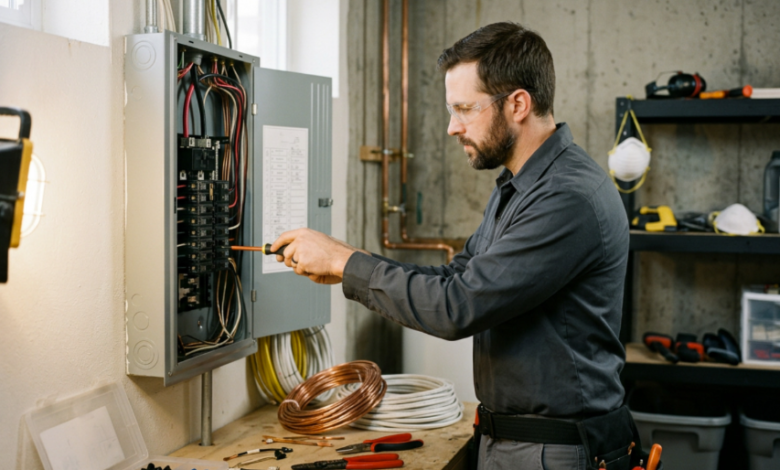
An electrical panel, commonly known as a breaker box or distribution board, is the central point through which electricity is distributed throughout a building. It receives electricity from the utility supply and directs it to individual circuits that power different areas and appliances.


The main components of an electrical panel include:
- Main circuit breaker
- Individual circuit breakers
- Neutral bus bar
- Grounding system
- Electrical distribution connections
- Protective metal enclosure
These components work together to distribute electricity safely and protect circuits against overloads and short circuits.
Signs Your Electrical Panel Needs Replacement
Recognizing the warning signs of an outdated electrical system can help prevent expensive repairs and dangerous situations.
1. Frequent Circuit Breaker Trips
Circuit breakers automatically interrupt electricity when a circuit becomes overloaded or experiences a fault. If your breakers trip frequently, it may indicate insufficient circuit capacity, faulty equipment, or other electrical problems that require professional assessment.
2. Flickering or Dimming Lights
Lights that flicker or become dim when large appliances operate may indicate problems with electrical connections or power distribution.
3. Burning Smell Near the Breaker Box
A burning smell, unusual heat, or visible discoloration around the electrical panel can indicate damaged wiring or overheating. These warning signs require immediate professional attention.
4. Outdated Fuse-Based Systems
Some older homes still use traditional fuse boxes. Although properly maintained fuse systems can provide protection, they may lack the capacity and flexibility required by modern households.
5. Insufficient Space for Additional Circuits
Installing electric vehicle chargers, air conditioners, kitchen appliances, or other equipment may require additional dedicated circuits. An older panel may not have enough space or capacity to accommodate these requirements.
Major Benefits of Modernizing Your Electrical System
Improved Electrical Safety
Modern electrical equipment can provide better protection against electrical faults, overloaded circuits, and overheating when properly selected and installed.
Replacing damaged or outdated components can also reduce potential electrical hazards.
Increased Power Capacity
Modern households often use multiple high-powered appliances simultaneously. A properly sized distribution system allows homeowners to meet increased electricity demands without exceeding the system’s designed capacity.
Support for Modern Appliances
Electric ovens, heat pumps, washing machines, electric vehicle chargers, and advanced home technology may require dedicated electrical circuits.
A modern system provides greater flexibility for installing these devices.
Increased Property Value
A well-maintained electrical system can make a property more attractive to potential buyers. It demonstrates that the homeowner has invested in essential infrastructure and long-term safety.
Improved Power Distribution
Proper circuit planning helps distribute electrical loads effectively throughout a building, reducing the likelihood of overloaded circuits and unnecessary interruptions.
Future-Ready Infrastructure
Modern electrical systems can accommodate future home expansions, renewable energy installations, battery storage systems, and smart home technologies.
Understanding Electrical Panel Capacity
Electrical panel capacity is measured in amperes, commonly referred to as amps. The appropriate capacity depends on the property’s size, electrical equipment, and calculated energy demands.
| Panel Capacity | Common Applications |
|---|---|
| 60 Amps | Older properties with limited electrical requirements |
| 100 Amps | Smaller homes with moderate electricity demands |
| 150 Amps | Properties with higher electrical requirements |
| 200 Amps | Modern homes with multiple high-powered appliances |
| 400 Amps | Large properties with substantial electrical demands |
These capacities are common examples in North American residential systems. A qualified electrician should perform a load calculation before recommending the appropriate service capacity.
When Should Homeowners Consider an Upgrade?
Replacing or expanding an existing electrical system may be necessary during several situations.
- Purchasing or renovating an older property
- Installing an electric vehicle charging station
- Adding new rooms or living spaces
- Installing solar panels or battery storage
- Replacing gas appliances with electric alternatives
- Experiencing recurring electrical problems
- Installing central heating or cooling equipment
- Increasing household electricity consumption
Planning these improvements in advance can help homeowners avoid unexpected installation delays and additional expenses.
How the Replacement Process Works
Replacing a distribution panel requires technical expertise, careful planning, and compliance with applicable electrical safety standards.
Initial Electrical Inspection
A qualified electrician examines the existing panel, wiring, grounding connections, circuit breakers, and overall electrical condition.
Electrical Load Assessment
The electrician calculates current and anticipated electricity requirements to determine the appropriate equipment capacity.
Equipment Selection
A suitable panel, circuit breakers, and related components are selected according to the property’s requirements and applicable regulations.
Professional Installation
The existing equipment is safely disconnected and replaced. Depending on the project, additional wiring, grounding improvements, or utility service modifications may also be necessary.
Testing and Final Inspection
After installation, the electrical system is tested to confirm that circuits, protective devices, and connections operate correctly. Required inspections are completed before final approval.
Factors That Affect Installation Costs
The total cost of modernizing an electrical distribution system varies depending on several factors.
| Cost Factor | Impact on Installation |
|---|---|
| Panel capacity | Higher-capacity equipment may cost more |
| Property age | Older buildings may require additional wiring work |
| Labor requirements | Complex installations require more time |
| Panel location | Relocation can increase expenses |
| Permits and inspections | Requirements vary by location |
| Utility service | Service modifications may increase costs |
| Grounding improvements | Additional safety work may be necessary |
| Circuit requirements | New dedicated circuits can increase installation costs |
Homeowners should obtain detailed estimates from licensed electrical contractors before starting the project.
Electrical Panel Replacement vs. Repair
Not every electrical problem requires complete replacement. Sometimes, repairing a damaged component or replacing a faulty circuit breaker may resolve the issue.
| Electrical Repair | Complete Replacement |
|---|---|
| Suitable for isolated faults | Suitable for outdated or insufficient systems |
| Generally lower initial cost | Higher initial investment |
| Maintains existing capacity | Can increase available capacity |
| Usually less installation work | May require extensive installation |
| Addresses specific problems | Supports broader system modernization |
A professional inspection can help determine which option offers the safest and most practical long-term solution.
Common Mistakes Homeowners Should Avoid
Electrical improvements require careful decision-making. Choosing unsuitable equipment or ignoring safety requirements can create significant problems.
Common mistakes include:
- Hiring unqualified electrical contractors
- Selecting equipment without a load calculation
- Ignoring damaged or outdated wiring
- Installing incompatible circuit breakers
- Overlooking grounding requirements
- Neglecting necessary permits and inspections
- Choosing equipment based solely on price
- Attempting complicated electrical work without professional training
Avoiding these mistakes can improve system reliability and protect both the property and its occupants.
The Role of Electrical Systems in Smart Homes
Smart homes rely on connected devices, automated lighting, security systems, intelligent thermostats, and advanced energy management solutions.
A reliable electrical infrastructure helps support these technologies by providing properly configured circuits and sufficient power capacity. Some modern distribution systems also offer energy monitoring features that allow homeowners to understand electricity consumption and identify unusual usage patterns.
As home automation continues to develop, flexible electrical infrastructure will become increasingly valuable.
Tips for Maintaining a Healthy Electrical System
Regular maintenance can help identify potential problems before they become serious.
- Keep the area around the breaker box clear.
- Ensure circuit breakers are properly labeled.
- Avoid overloading electrical outlets.
- Address unusual electrical noises promptly.
- Keep electrical equipment protected from moisture.
- Schedule professional inspections when problems arise.
- Use compatible and appropriately rated electrical components.
Homeowners should never remove protective panel covers or touch internal electrical connections without appropriate qualifications.
How to Choose a Reliable Electrical Contractor
Selecting an experienced contractor is essential for achieving safe and dependable results.
Look for professionals who offer:
- Appropriate licensing and insurance
- Experience with residential electrical systems
- Transparent pricing and written estimates
- Knowledge of applicable electrical regulations
- Quality installation materials
- Positive customer feedback
- Workmanship warranties
- Professional testing and inspection services
Comparing multiple contractors can help homeowners make an informed decision without compromising safety.
Frequently Asked Questions
How long does an electrical panel last?
Electrical panels can last several decades, depending on their quality, operating conditions, maintenance, and electrical demands. Age alone does not determine whether replacement is necessary.
Can an outdated panel cause a fire?
Damaged connections, overloaded components, and deteriorating electrical equipment can increase the risk of electrical fires.
Does replacing a breaker box reduce electricity bills?
Replacing a panel does not directly reduce electricity consumption. However, modern energy monitoring features may help homeowners identify opportunities to reduce unnecessary usage.
How long does panel replacement take?
A straightforward replacement can often be completed within one working day. More complex projects involving utility coordination, wiring improvements, or inspections may require additional time.
Is a 200-amp panel necessary for every home?
No. The appropriate capacity depends on the property’s electrical load, appliances, and future requirements.
Can homeowners replace their own breaker box?
This work involves dangerous electrical voltages and should be performed by a qualified electrical professional in accordance with local regulations.
Conclusion
An electrical panel upgrade is a valuable investment for homeowners looking to improve safety, increase power capacity, and prepare their properties for future electrical demands. A properly designed distribution system supports modern appliances, protects electrical circuits, and improves overall reliability.
By recognizing warning signs, choosing suitable equipment, and working with qualified professionals, homeowners can create a safer, more dependable, and future-ready living environment.