A home’s electrical distribution system plays an important role in delivering electricity safely to different rooms, appliances, and devices. It controls the flow of electricity and helps protect circuits from overloads and other electrical faults. When problems develop within this system, they can affect household safety, appliance performance, and overall electrical reliability.
Understanding common electrical problems, their warning signs, and preventive measures can help homeowners maintain a safer living environment.
Understanding the Importance of Home Electrical Distribution
Every residential property depends on a central distribution system that receives electricity from the main supply and directs it to individual circuits throughout the building.


Circuit breakers are essential components of this system. They interrupt electrical current when certain unsafe conditions occur, helping protect wiring and connected equipment.
A properly maintained distribution system supports reliable electricity delivery while reducing the risk of overheating and electrical damage.
Common Electrical Distribution Problems Homeowners Should Know
Electrical problems can develop for several reasons, including aging components, excessive power consumption, moisture exposure, and improper installation.
Frequently Tripping Circuit Breakers
Circuit breakers may trip when a circuit experiences excessive electrical demand. However, repeated tripping can also indicate faulty appliances, damaged wiring, or short circuits.
Homeowners should avoid repeatedly resetting a breaker without identifying the underlying issue.
Overheating Electrical Components
Overheating can occur due to loose connections, excessive current, or defective equipment.
Common warning signs include unusual warmth, discoloration, burning smells, and damaged insulation.
These symptoms require immediate professional attention because they may indicate a serious electrical hazard.
Outdated Electrical Equipment
Older homes may contain electrical equipment that was originally designed for lower electricity consumption.
Modern appliances, heating systems, cooling equipment, and charging devices can place additional demands on existing electrical infrastructure.
Loose Electrical Connections
Loose wiring connections can produce excessive heat and affect electrical performance.
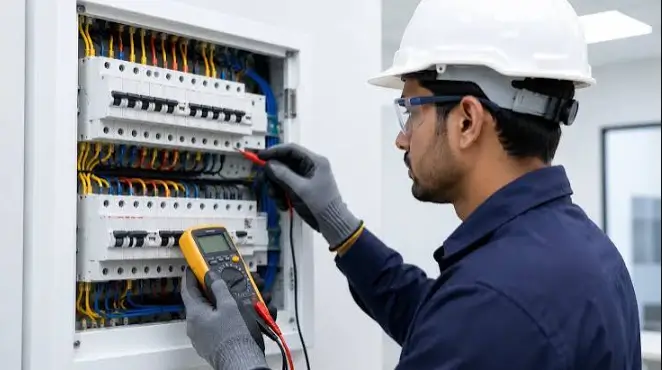
Because inspecting internal electrical connections involves significant safety risks, homeowners should leave this work to qualified electricians.
Moisture and Corrosion
Water exposure can cause corrosion and damage sensitive electrical components.
Visible rust, condensation, or water stains around distribution equipment should be investigated promptly.
Warning Signs That Your Electrical System Needs Attention
Recognizing electrical warning signs can help prevent minor issues from developing into more serious problems.
Some common indications include:
- Circuit breakers that trip frequently.
- Flickering or dimming lights.
- Burning smells near electrical equipment.
- Unusual buzzing or crackling sounds.
- Visible rust or corrosion.
- Discoloration around electrical components.
- Unexpected interruptions in electricity.
- Damaged or deteriorating electrical enclosures.
Ignoring these symptoms can increase the risk of electrical equipment failure and potentially dangerous conditions.
What Causes Electrical Distribution Problems?
Several factors can affect the reliability and safety of residential electrical systems.
Increasing Household Electricity Demand
Modern homes use numerous electrical devices simultaneously. Air conditioners, electric ovens, washing machines, and entertainment systems contribute to overall electricity consumption.
When existing infrastructure cannot accommodate these demands safely, professional electrical improvements may become necessary.
Aging Electrical Components
Electrical equipment can deteriorate over time due to regular use and environmental conditions.
Older circuit breakers, connections, and wiring should be evaluated when signs of deterioration appear.
Improper Electrical Installation
Incorrect wiring methods, incompatible components, and improper circuit configurations can create serious electrical hazards.
Professional installation helps ensure electrical equipment operates according to applicable safety standards.
Environmental Factors
High humidity, water intrusion, dust accumulation, and other environmental conditions can contribute to electrical equipment deterioration.
Keeping electrical installations protected from these conditions can help maintain their reliability.
When Should Homeowners Consider Electrical Improvements?
Not every electrical problem requires replacing an entire distribution system. Some issues can be resolved through professional repairs or the replacement of individual components.
However, an electrical panel upgrade may be necessary when existing equipment becomes outdated, develops significant damage, or cannot safely accommodate increasing household electricity demands.
A qualified electrician can assess the property’s electrical requirements and determine which improvements are appropriate.
Essential Maintenance Tips for Home Electrical Safety
Proper maintenance helps homeowners identify potential problems and maintain reliable electrical performance.
Keep Electrical Equipment Accessible
Avoid storing furniture, household supplies, or other objects directly in front of electrical distribution equipment.
Adequate clearance allows electricians to perform inspections and maintenance safely.
Check for Visible Damage
Homeowners can occasionally examine the exterior of electrical enclosures for discoloration, rust, moisture, or physical damage.
Internal components should never be inspected or handled without appropriate professional qualifications.
Maintain Proper Circuit Labels
Clearly labeled circuit breakers make it easier to identify which areas of the property receive electricity from specific circuits.
Accurate labeling also supports efficient electrical maintenance and troubleshooting.
Avoid Overloading Circuits
Connecting multiple high-power appliances to the same circuit can create excessive electrical demand.
Using dedicated circuits where required and distributing electrical loads appropriately can improve household safety.
Schedule Professional Inspections
Qualified electricians can identify hidden electrical problems and recommend suitable repairs before significant damage occurs.
Professional assessments are particularly valuable for older properties and homes experiencing recurring electrical issues.
Why Professional Electrical Maintenance Matters
Electrical repairs require technical knowledge, specialized equipment, and an understanding of applicable safety regulations.
Attempting to repair internal electrical components without proper training can expose homeowners to electric shock, burns, and other serious hazards.
Licensed electricians can evaluate electrical conditions, identify underlying faults, and recommend appropriate solutions.
Professional maintenance also helps ensure that electrical equipment continues operating reliably while meeting the property’s electricity requirements.
Conclusion
A properly functioning home electrical distribution system is essential for maintaining safety, reliability, and everyday convenience.
Common problems such as frequently tripping breakers, overheating, corrosion, and outdated components should be addressed promptly.
Through preventive maintenance, responsible electricity consumption, and professional electrical inspections, homeowners can reduce potential hazards and maintain dependable electrical performance for years to come.